One of the things I often think about after consultations is how difficult it can be for patients to navigate the aesthetic industry. Many people arrive feeling excited about improving their skin or appearance, but also slightly unsure. There is so much information online, so many clinics advertising treatments, and sometimes it’s hard to know …


One of the things I often think about after consultations is how difficult it can be for patients to navigate the aesthetic industry.
Many people arrive feeling excited about improving their skin or appearance, but also slightly unsure. There is so much information online, so many clinics advertising treatments, and sometimes it’s hard to know what really matters. And yet, aesthetic medicine is still medicine.
Treatments like dermal fillers, skin boosters, collagen stimulation, and anti-wrinkle injections are medical procedures that influence living tissue. Choosing the right practitioner is therefore one of the most important decisions a patient can make.
Over the years, I have realised that the safest and most confident patients are often the ones who ask good questions. Not complicated questions. Just the right ones.
If you’re considering aesthetic treatments in Manchester or anywhere else, there are five simple questions that can help you understand whether a practitioner is focused on quick procedures or on long-term skin health.
1. “What do you think my skin actually needs?”
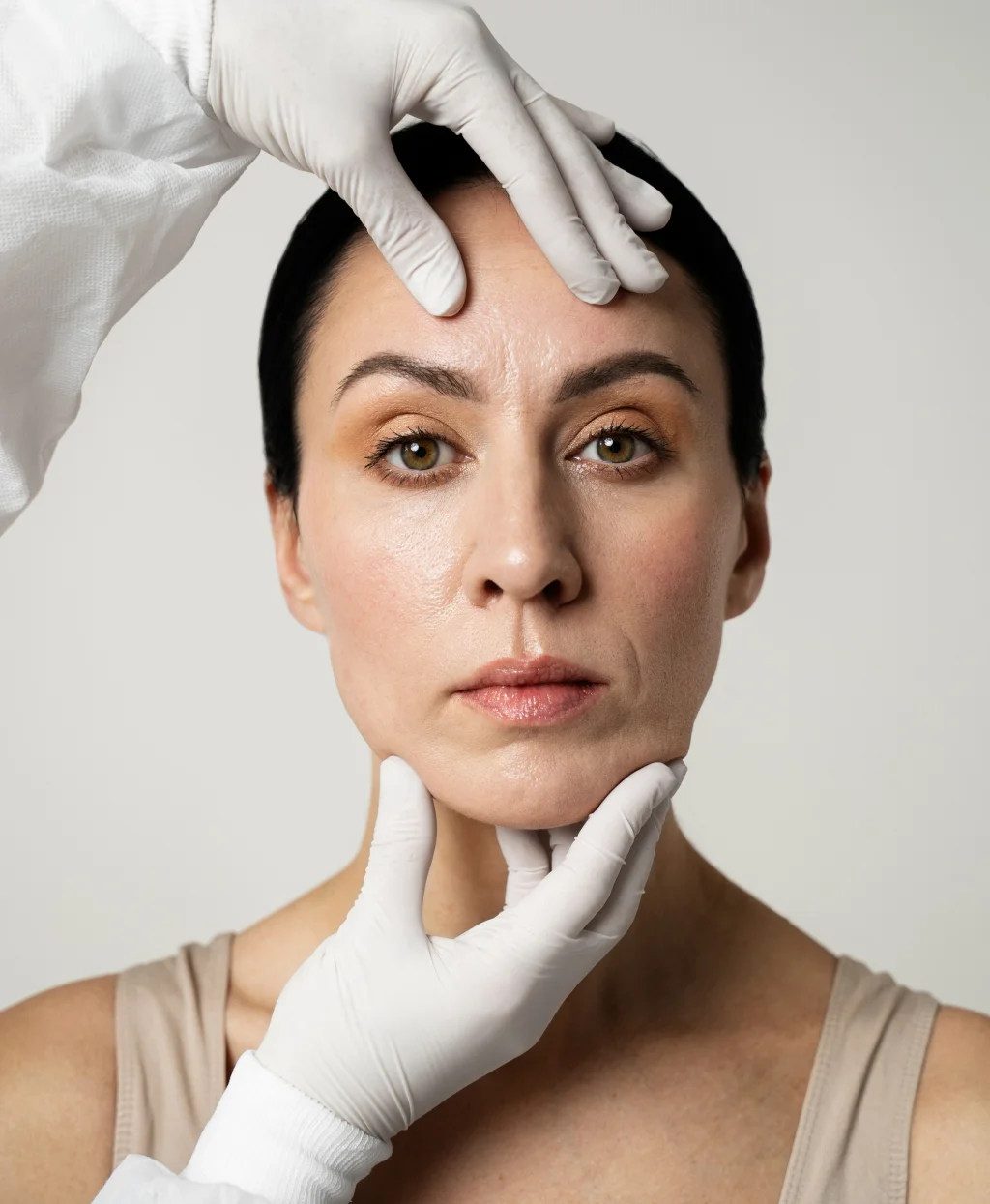
This may sound like an obvious question, but the answer can reveal a great deal about the practitioner you are sitting in front of. A thoughtful aesthetic consultation should begin with observation and discussion, not with a treatment menu.
When someone sits down in clinic, the first step should always be understanding the skin itself: hydration, collagen quality, elasticity, texture, and overall skin behaviour.
Sometimes patients arrive believing they need dermal fillers, when in reality their skin may benefit more from improving skin quality first. Other times, simple changes in skincare or collagen stimulation treatments can create significant improvement without adding volume.
A practitioner who focuses on diagnosis before treatment is usually thinking long-term rather than short-term.
2. “Why are you recommending this treatment?”
Aesthetic medicine should always have a clear reason behind it. Every treatment — whether it is a skin booster, microneedling, laser therapy, or dermal filler — should address a specific biological change in the skin.
If the explanation feels vague, rushed, or overly focused on trends, it’s reasonable to pause and ask for more clarity.
The best practitioners enjoy explaining their reasoning. When patients understand why a treatment is recommended, they tend to feel much more comfortable and confident in their decisions.
3. “What will the result realistically look like?”
One of the most important conversations in aesthetics is managing expectations. Natural rejuvenation rarely happens overnight. Skin regeneration, collagen stimulation, and texture improvement often occur gradually over weeks or months.
A good practitioner should be able to explain not only what a treatment can improve, but also what it cannot change. This honesty is actually reassuring. It means the practitioner is thinking about realistic outcomes rather than promising dramatic transformations.
In most cases, the goal of aesthetic medicine is not to change someone’s face. It is simply to help them look like themselves again — refreshed and healthy.
4. “What qualifications and training do you have?”
In the UK, the aesthetic industry is still largely unregulated, which means treatments may be offered by professionals with very different levels of training.
Patients should feel comfortable asking about:
- medical qualifications
- aesthetic training
- clinical experience
- ongoing education
Aesthetic medicine evolves constantly, and responsible practitioners continue learning throughout their careers. The question is not meant to challenge someone , it simply ensures that the person performing the treatment understands the anatomy, risks, and safety considerations involved.
5. “What happens after the treatment?”
Aesthetic procedures should never be considered a one-off event. Skin changes gradually over time, and good practitioners think about long-term skin health rather than isolated treatments.
This means discussing:
- follow-up care
- skincare support
- maintenance plans
- how results will evolve
When treatment planning includes aftercare and long-term thinking, results tend to look far more natural.
Why These Questions Matter
The aesthetic industry can sometimes feel overwhelming, particularly for patients who are exploring treatments for the first time. But asking thoughtful questions changes the entire consultation experience. It allows patients to understand the reasoning behind treatment recommendations, and it helps practitioners explain how skin actually behaves.
At Beauttitude Medical Clinic in Sale, Manchester, consultations are designed around this principle. Rather than beginning with procedures, we begin with understanding the skin — its biology, its behaviour, and the patient’s personal goals.
Because the most successful aesthetic treatments rarely come from rushing into procedures. They come from thoughtful conversations, careful assessment, and a plan that respects both skin health and natural facial harmony.
A Final Thought
If you are considering aesthetic treatments in Manchester, the most important step is not choosing a treatment. It is choosing the right practitioner. And sometimes the best way to do that is simply by asking the right questions.
Dr Gabriela Bocsa
Beauttitude Medical Clinic | Sale, Manchester
If you would like a personalised skin consultation or professional skin assessment, you can book an appointment here: BOOK YOUR CONSULTATION
Book an Appointment
It’s easy and free!